How AI and Machine Learning Revolutionize Industries in 2026
Picture waking up to a world where a smart mirror analyzes your face for mood and brews your coffee perfectly. Or imagine invisible algorithms helping doctors spot diseases years early. This isn't sci-fi; it's the reality AI and machine learning are crafting today. These aren't buzzwords-they're reshaping healthcare, finance, entertainment, and more. If you've wondered how AI and machine learning might transform your job or life, stick around. We'll unpack the magic, why it's vital, and how to dive in.
Why AI Is Important
Remember gridlock commutes or misdiagnoses? AI and machine learning swoop in like superheroes, tackling what humans can't swiftly. Why AI is important boils down to crunching vast data, spotting patterns, and deciding fast-skills our brains honed for survival, not spreadsheets.
Take real-time global news and symptoms scanned by AI to predict outbreaks like COVID variants. During the pandemic, AI and machine learning optimized ventilator distribution in overwhelmed hospitals, saving lives. In rural India, farmers snap soil photos via phone apps-AI boosts crop yields 30%, combating hunger.
It's not just efficiency. AI democratizes opportunity: Small businesses gain customer insights to rival giants. Without it, we'd lean on gut instincts and trial-error. As industries evolve, AI ensures we thrive. It's the great equalizer, simplifying tough tasks and sparking innovation. The key? Harness it while keeping the human spark. Why AI is important is clear-it's our edge in a data-driven world.
How to Learn AI
Scared off by AI headlines assuming tech-genius status? Good news: Learning AI is accessible, like picking up a hobby with free resources. Start small, stay consistent-you'll build your first model in weeks.
Basics first: AI mimics human thinking; machine learning (core to AI and machine learning) learns from data sans explicit programming. Coursera's "Machine Learning" by Andrew Ng delivers bite-sized videos-no math degree required.
Go hands-on: Master Python via freeCodeCamp (AI's lingua franca). Tackle Kaggle datasets, like house price predictions. Google Colab lets you code browser-based, setup-free. Join Reddit's r/MachineLearning or Discord for motivation.
My friend Sara switched careers at 35: Three months of YouTube, fast.ai courses, and chatbot projects. Tip: Experiment with free APIs for a fitness tracker. Weekly check-ins celebrate progress. In 2026, adaptive AI tutors personalize paths, crumbling barriers. How to learn AI? Just start coding your future.
AI for Beginners
New to AI? Ignore hype-chase fun, lasting wins. AI for beginners is like training a dog with data "treats," not mystery. Models improve via examples, just like coaching novices.
No-code starters: Google's Teachable Machine trains gesture recognition via webcam-zero lines written. Upload pet pics; it sorts breeds instantly. Dialogflow builds site chatbots in minutes.
A beginner barista used Lobe.ai for voice-order recognition, streamlining rush hours. Everyday Spotify recs? That's collaborative filtering-AI for beginners linking tastes across millions.
Pitfalls? Privacy-anonimize inputs. Ask: "What problem can AI solve for me?" Automate grocery lists, say. It shifts "I can't" to "Done." AI for beginners thrives on play, building real skills playfully.
Latest Generative AI Trends 2026
By 2026, generative AI transcends memes-it's creativity's engine, with latest generative AI trends 2026 feeling magical. Picture mood-matching symphonies or personalized drugs in hours. Multimodal models blend text, images, video, audio seamlessly.
Big shift: Autonomous AI agents. No hand-holding-Grok 4.1 or GPT evolutions plan trips, negotiate, debug code. Entertainment? Sora-like generators craft hyper-real trailers, slashing costs 70%.
Sustainability surges: AI optimizes energy grids, simulates climates for emission cuts. "AI twins" predict patient treatment outcomes. Edge computing enables lag-free AR try-ons via phone.
Ethics lead: Watermarks combat deepfakes; open-source like Stable Diffusion 3 democratizes access. Artists co-create murals fusing cultures instantly. These latest generative AI trends 2026 aren't distant-they're here, redefining creativity via AI-human teams. Excited?
AI Marketing Automation
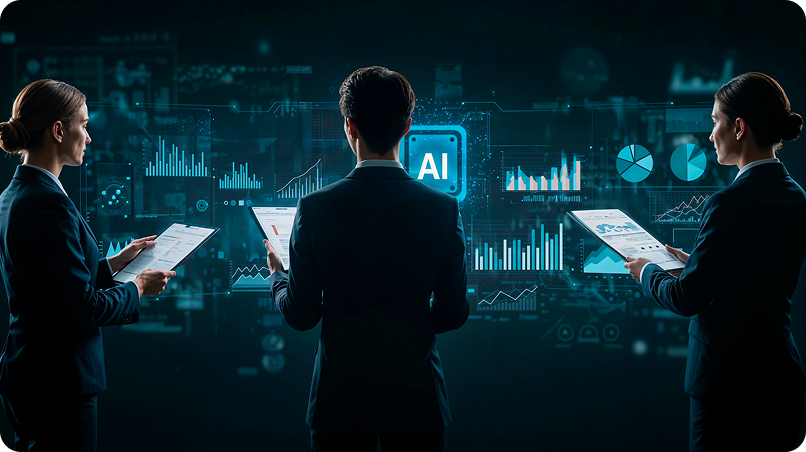
Marketing once meant mass emails and guesses. Now, AI marketing automation crafts smart, personalized powerhouses. AI and machine learning analyze behaviors, predict buys, draft eerily spot-on copy-like mind-reading sales pros.
Core magic: Predictive analytics refines audiences. HubSpot/Jasper auto-generate trend-based blogs. A bakery owner's AI scanned likes, timed viral reels-sales +40%.
Hyper-personalization: Klaviyo delivers Netflix-style e-com recs. Chatbots field 80% queries 24/7, freeing humans for bonds. AI A/B tests thousands of headlines overnight for click-gold.
Zapier streamlines for small teams. Risk? Over-automation feels robotic-infuse brand soul. Free trials, ROI tracking skyrocket engagement. AI marketing automation empowers, not replaces, marketers.
AI and machine learning don't just transform industries-they unlock unseen doors. From beginner experiments to 2026's generative wonders, the future is collaborative and reachable. What's your first step?
Start Your Expert Consultation
Please write your name and contact information below. We will respond as soon as possible.