High-Impact Ecommerce Return Policy Turning Returns to Sales!
Online shopping makes returns unavoidable, and a clear ecommerce return policy helps customers feel confident from the start. Sometimes sizes feel wrong or expectations miss the mark, but what separates strong brands is how they respond, turning frustrating moments into calm experiences that leave shoppers feeling heard and valued.
At Crescentic Digital, we believe an ecommerce return policy should create opportunities, not losses, for growing brands. When returns are handled with empathy and simplicity, customers feel respected, trust builds naturally, and a simple refund moment becomes the reason shoppers return again, spend more confidently, and recommend your brand.
Why Customer Returns Are a Hidden Growth Lever, Not a Loss
Most online brands discover that customer returns reveal far more than lost sales when viewed the right way. Each return highlights product confusion, sizing issues, or mismatched expectations, giving brands honest feedback they rarely get otherwise. This process is closely tied to how brands manage reverse supply chains, a concept explained well through modern reverse logistics practices.
When businesses pay attention to customer returns early, patterns start to appear across the buying journey very clearly. Repeated issues point to unclear images, confusing details, or policies customers misunderstand. Fixing these gaps improves confidence, reduces future returns, and helps shoppers feel supported, understood, and more willing to buy again without hesitation over time with stronger trust built naturally.
Well-analyzed returns often highlight:
- Product description gaps that confuse buyers
- Sizing or fit inconsistencies across collections
- Packaging or shipping issues that impact satisfaction
- Policy misunderstandings that cause unnecessary refunds
When brands study customer returns closely, they gain clear direction on what shoppers need and expect. Using this insight helps teams shape a fair and clear ecommerce return policy, make better choices, treat buyers honestly, and show confidence in their products. That thoughtful approach turns a simple return into a moment that builds trust instead of disappointment.

How Return Friction Destroys Customer Trust and Repeat Purchases
Small return problems can quietly damage customer trust faster than brands expect. Complicated forms, hidden rules, surprise fees, or slow refunds make shoppers feel ignored and unimportant. When people sense friction during returns, they assume future issues will be just as painful, and many decide it is safer to never purchase from that store ever again later permanently.
A smooth experience is where customer trust truly grows, especially when something goes wrong. Clear expectations before buying help shoppers feel relaxed and confident. When customers know issues will be handled simply and fairly, they take chances on purchases, come back more often, and share positive stories with others based on how they were treated before during issues and support.
Designing an Easy Returns Experience That Converts Again
Online shoppers feel calmer when brands offer easy returns because the process feels fair and respectful. Clear steps, prepaid labels, and quick confirmations remove stress and hesitation. When returning an item feels simple, customers stay confident, trust the brand more, and feel encouraged to shop again without second guessing.
Businesses also benefit when easy returns are designed with clarity and care. Simple communication and smart automation, supported by a well-defined ecommerce return policy, help customers feel in control while reducing confusion. When the experience flows smoothly, support teams handle fewer issues, operations stay organized, and customers remember the brand for being helpful rather than frustrating.

Turning Refund Moments Into Customer Retention and Upsell Revenue
Refunds feel less like endings when brands focus on customer retention during that moment. Offering store credit, quick exchanges, or helpful product suggestions keeps shoppers engaged instead of walking away. When customers feel supported rather than dismissed, they stay open to buying again and often remember the brand for handling the situation with care.
Smart brands now treat refunds as chances to rebuild customer retention, not just close tickets. Many design return journeys that guide shoppers back to products they love, an approach explained well in modern returns management strategies . When problems are handled smoothly, customers feel valued, trust grows naturally, and repeat purchases follow without pressure or frustration later.
Reducing the Cost of Returns While Increasing Customer Lifetime Value
Many brands overlook how the cost of returns slowly eats profits through shipping, handling, and restocking work. When these expenses are unmanaged, margins shrink quietly. By spotting common return reasons early, businesses can fix small issues, reduce waste, and protect revenue without making customers feel restricted or unhappy inside.
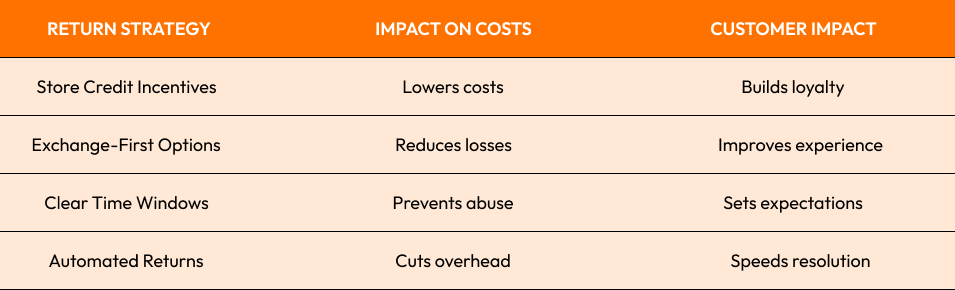
Smart planning around the cost of returns helps brands stay profitable while keeping shoppers comfortable. Simple rules, exchange options, and credit incentives, guided by a clear ecommerce return policy, lower losses naturally. When customers feel treated fairly, they accept guidance easily, spend again with confidence, and stay loyal longer, creating value that grows over time consistently.

Performance Metrics That Prove Returns Can Drive Sales
When brands start paying attention to performance metrics, returns stop feeling like guesswork and start making sense. Tracking what happens after a return shows whether customers come back or leave. These numbers reveal if the experience feels fair, smooth, and reassuring enough to encourage shoppers to place another order later.
Looking closely at performance metrics helps teams understand which return actions actually support growth. Measuring how often customers repurchase, accept exchanges, or complete refunds quickly shows what works. Clear data removes assumptions and helps brands focus on changes that truly improve satisfaction, confidence, and long-term buying behavior across every return situation.
Strong performance metrics act like a health check for the return experience. When numbers improve, it usually means customers feel respected and supported. Better results signal smoother processes, happier shoppers, and stronger loyalty. Over time, these insights help brands fine-tune decisions that quietly increase value without pushing customers away.
Conclusion
Today, an ecommerce return policy plays a bigger role than many brands realize in shaping experiences. When returns are handled with care, customers feel respected, trust grows naturally, and repeat buying follows. Balancing fairness with business needs helps brands protect margins while keeping shoppers confident via ecommerce development services.
At Crescentic Digital, an ecommerce return policy becomes a tool for long term growth and loyalty. Returns handled well keep customers engaged and coming back with confidence. If you want to turn returns into repeat sales, connect with our team today and start improving experiences together with us now.
Start Your Expert Consultation
Please write your name and contact information below. We will respond as soon as possible.