AI Ethics: Who Is Responsible for Machine Bias?
Today, AI ethics is a very important subject for developers and world politics. With machines increasingly making meaningful decisions that affect people's lives, it is critical that moral considerations behind their logic are examined so that all human beings receive absolutely fair judgment.
The fast embedding of sophisticated models into our everyday lives presents many novel challenges. From hiring practices to judicial systems, the algorithms beneath them frequently have embedded biases. These problems need fixing now and the technology on which our future rests must be completely equitable.
AI ethics ensures the technology serves humanity without harming unintentional social harm. And when varied data sets are supplemented with transparency, it builds systems that everyone trusts. This is the only way forward in this world of extreme automation.
The Hidden Dangers of Algorithmic Bias in AI
Algorithmic bias often plagues modern technology due to imperfect or insufficient data. If the training data is biased, given that some machines specialize in a certain set of things, their machine output will certainly be skewed in favor of some groups over others. This leads to a cycle of digital discrimination and injustice.
Detecting Algorithmic bias means checking up on every automated decision regularly. It is the responsibility of engineers to look for patterns that indicate bias in the system. Only then can we say our modern technology is really objective.
Developers must audit every training dataset to ensure diverse representation for everyone.
Machines often mirror the subconscious prejudices found within their human creators' data.
Identifying these flaws early prevents long-term damage to marginalized communities and groups.
Continuous testing is essential to keep models aligned with modern ethical standards.
Transparent reporting helps build public confidence in the fairness of automated systems.
Why Explainable AI is Crucial for Fairness
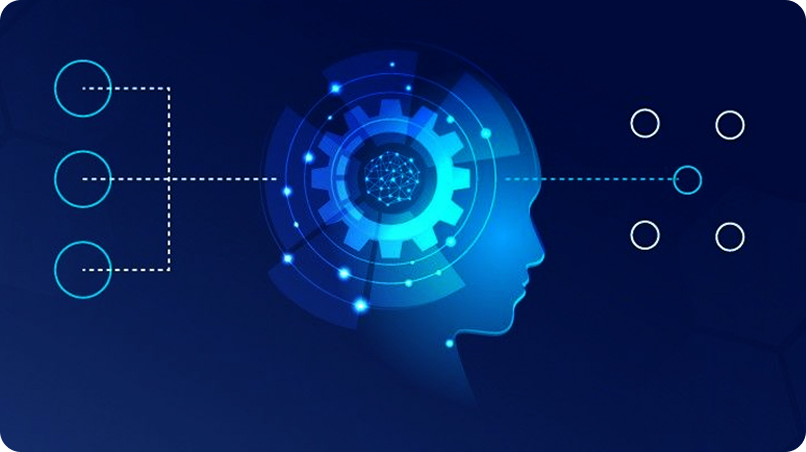
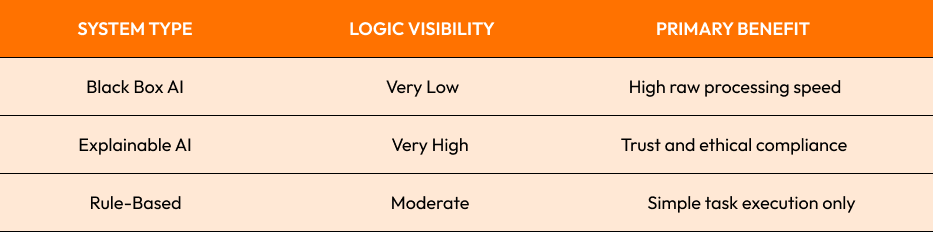
Explainable AI lets us open the "black box" of complicated machine learning. This presents a simple logical trail for any decision made by an algorithm. This transparency is essential for detecting errors and maintaining the integrity of logic.

The ultimate bridge between human logic and machine efficiency is the explainable AI framework. It guarantees that every automated action is warranted and free of unnoticeable bugs. In a modern world, every organization needs to embrace this transparency and become digitally trusted.
Solving the AI Accountability Gap in Business
The minute a system breaks, ai accountability is the top line question in any organization. Blaming the code is no longer sufficient for careless errors. Businesses must define if and how liability for any automated errors is assigned.
Ai accountability starts at the top of your org and filters down to every dev. The life sciences industry is a big one, employing millions of people and responsible for thousands of different products in the world today. Keeping the proactive approach protects your company from legal troubles and ensures a strong brand image.
For ai accountability to be something more than mere talk, it will take specific roadmaps for how errors can and should be corrected and mitigated. If a machine’s choice is wrong, there must be a human standing by to correct it. This works hand in hand toward creating a safe environment for technology to flourish.
How Data Privacy Laws Shape Ethical Models
Data privacy is a right of humans now which protects the sensitive information of users. Ethical models need to be built with the best security standards in mind so that any leak does not happen. Without strong protection, even the most advanced artificial intelligence is a huge liability for users.
Data privacy protocols in place provide algorithms from preying on personal habits of the user. When developers anonymize data and limit access to it, they help create tools that honor boundaries. This deference to privacy is what separates a great product from a dangerous one.
Privacy by design should be the standard for every new tech project.
Users must have complete control over how their personal data is used.
Encryption and decentralization are key tools for protecting digital identities today.
Regular security audits prevent unauthorized access to sensitive machine learning data sets.
Ethical modeling requires a delicate balance between data utility and user anonymity.
Future of Responsible AI and Global Standards
Responsible AI is the universally accepted standard of excellence toward which the world is progressing.” This means making global rules that all tech giants must follow if safety is to be ensured. We are at a thrilling point as we determine the edges of digital ethics.
Only with a foundation of AI ethics can people ensure technology works for everyone. We’re shifting from careless development to a more considered, human-centered approach.” This transition will be the success story of the next generation of technology.
Moving forward, ethics and engineering will become one in the same. They will write the entire line of code with deep social responsibility and cosmic love.
Conclusion
The evolution of technology must be guided by a strong moral compass at every step. We cannot let speed or profit overshadow the need for fairness. Together, we can build a world where machines truly empower every single human.
Embracing ai ethics is the only path toward a sustainable and trustworthy digital economy. It allows us to innovate with confidence, knowing that our creations are safe. The responsibility lies with us to lead this change with integrity.
The conversation about machine bias is just beginning. We must stay vigilant and active to protect the integrity of our digital world.
The journey toward perfect fairness is long, but it is one we must take together for our children. Contact us to learn more about our commitment to ethical and fair digital solutions.
Start Your Expert Consultation
Please write your name and contact information below. We will respond as soon as possible.